Septic tank installation regulations explain where a system may go, how it must be planned, and which permits come first. In Douglasville, septic tank installation regulations may cover soil, setbacks, tank size, drainfield placement, inspections, and final approval. Check with local officials before digging, replacing, expanding, or buying property with septic service.
Table of Contents
- What are the basic septic tank installation regulations?
- Who enforces septic tank installation regulations?
- When do you need a septic installation permit?
- What is a perc test, and when is it required?
- What requirements apply to septic system design and installation?
- What inspections and records are required before a septic system is approved?
- Who should you contact about septic tank installation regulations?
- Key takeaways
- Frequently Asked Questions
- Conclusion
What are the basic septic tank installation regulations?
Septic rules protect homes, drinking water, soil, and nearby streams. They often control the tank location, drainfield, system plan, installation work, and final inspection. Rules can change from one county to another, so local regulations matter in Douglasville.
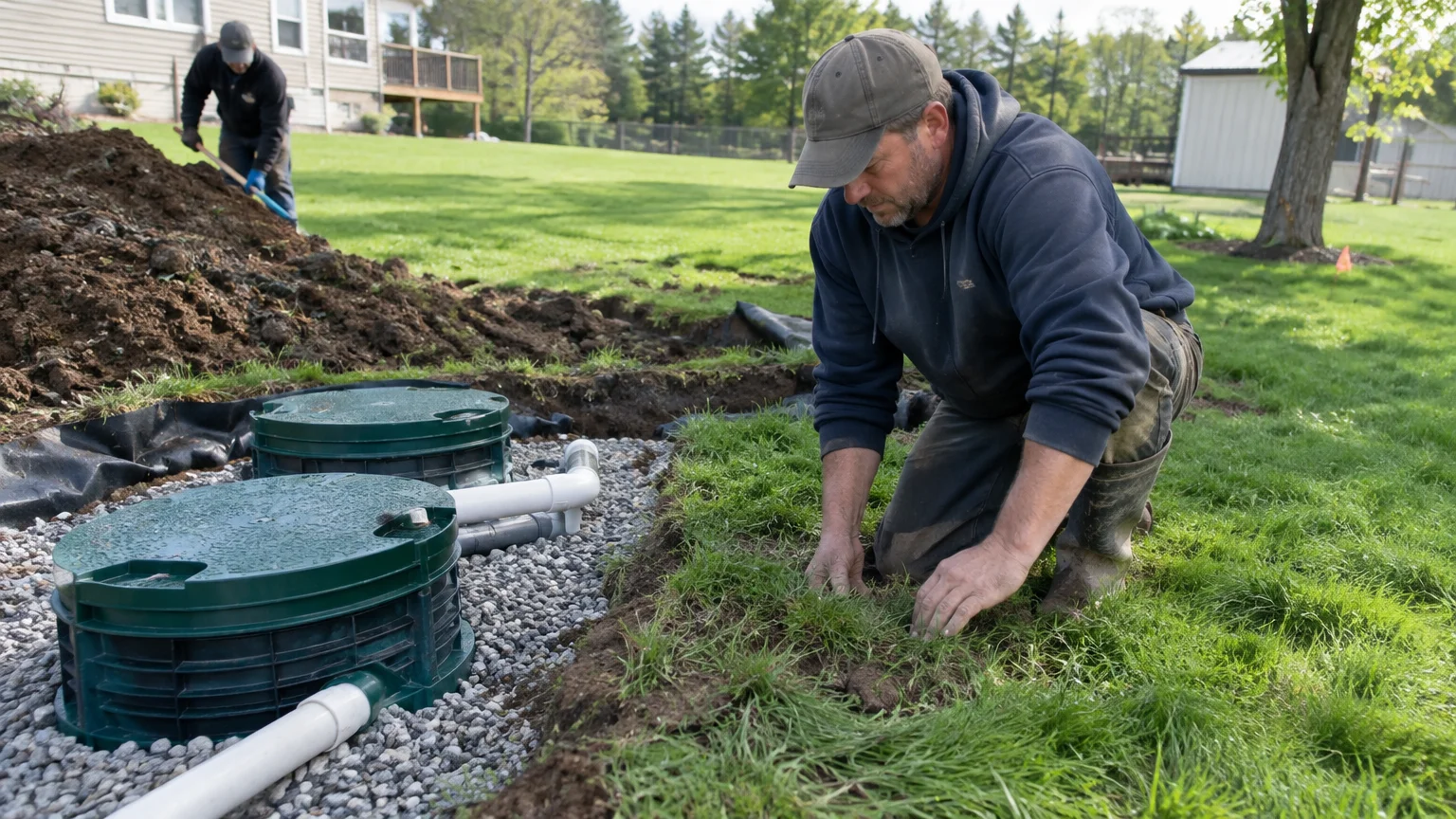
A septic system has a buried tank and a soil treatment area. The tank holds wastewater while solids settle. The drainfield spreads liquid into suitable soil. The drainfield is the part that treats wastewater below the ground.
How health and environmental rules protect a property
Rules help keep sewage away from wells, homes, streams, property lines, and flood areas. They also help stop dirty water from reaching the ground surface. This protects families, tenants, neighbors, and future buyers.
The U.S. Environmental Protection Agency explains how septic systems work, but local offices set many installation details. Never assume an older system meets today’s rules. An old system may have records, yet later work can still need review.
Which installation standards usually apply
Most programs review soil, slope, groundwater, tank type, drainfield size, and setbacks. A setback is the required space between a septic part and another feature. Officials may also require a reserve area. This is land kept open for future repair or replacement.
Rules can affect driveways, pools, additions, sheds, and landscaping. Heavy vehicles may harm buried pipes and treatment areas. Deep-rooted plants may also cause trouble. Property owners in Douglasville should ask which rules apply before changing the land.
Who enforces septic tank installation regulations?
A local health department often reviews home septic work. In some places, a county office, state agency, building office, or water authority handles part of the process. The right office depends on the project and the local regulations.
Georgia may set broad rules, while a local office handles permits and inspections. The permitting authority is the public office that reviews the plan and grants approval. It can explain forms, site rules, contractor needs, and inspection steps.
What local health departments oversee
A local office may review a soil report, site plan, septic design, repair plan, or replacement request. It may inspect the open ground before the tank or drainfield is covered. Ask which inspections must happen during the work.
The office may keep records for a property. These records can help buyers and investors learn whether a system was approved. Older records may be missing, however. Missing paperwork is a reason to investigate, not proof that no system exists.
When state environmental agencies become involved
State agencies may review larger systems, business sites, special properties, sensitive watersheds, or appeals. They may also set rules for treatment units, water protection, discharge, and professional licenses.
A local official can explain when state review is needed. Septic Tank Pumping Douglasville can help Douglasville property owners gather basic site details before speaking with the right office. The company does not replace the agency that approves permits or explains the law.
When do you need a septic installation permit?
A permit is often needed before installing, replacing, enlarging, or moving a septic system. It may also be needed when a home project changes wastewater use or blocks a repair area. Ask the permitting authority before any digging starts.
New construction, replacement, and system expansion
New homes usually need an approved septic plan before construction moves ahead. A failed tank, damaged drainfield, or major system change may need a septic tank replacement permit. Adding bedrooms can increase wastewater flow and lead to another review.
A permit may cover the site review, system design, installation, and final inspection. It may not cover building work, wells, grading, or electrical work. Ask whether those jobs need separate approvals.
Septic pumping is maintenance, not the same as installing a new system. Emergency pumping may help control an urgent backup, but it does not replace a required permit or repair review. Ask the local office what must happen after urgent work.
Permit triggers during property improvements or ownership changes
A bathroom addition, garage, pool, driveway, or grading project can affect a septic area. A sale may also raise questions about records. Ownership alone does not always need a new permit, but local rules control this point.
Before buying land, request the septic records that are available. Ask if the approved system matches the current home. A larger home or changed use may need a new soil review or design.
The permit process can take time because soil work, plan review, and inspections happen in order. Do not cover a tank or drainfield before the required inspection. Covered work may need to be uncovered before approval.
What is a perc test, and when is it required?
A perc test is short for percolation test. It checks how water moves through soil. Many agencies use a soil review to decide if a site can treat wastewater safely. The test or review may be needed for new homes, replacement systems, or major changes.
How soil evaluation affects system approval
Soil professionals look at soil layers, texture, slope, seasonal groundwater, and other site facts. The results help set the size and type of treatment area. A perc test is not always a simple pass-or-fail test. Some offices use a wider soil evaluation instead.
Ask who may do the test and which report the agency accepts. Wet ground, shallow rock, high groundwater, and packed soil can change the design. A test for one part of a property does not approve every other part.
What happens when a property does not pass
A failed soil review does not always mean the property has no choices. A designer may study another area, a different treatment method, or a smaller approved use. An engineered system may also be considered. The authority must approve the proposed plan.
Some sites cannot support a standard system because of soil, space, slope, flood risk, or groundwater. A buyer should not assume vacant land can support a home. Written approval is safer than a spoken promise.
Septic Tank Pumping Douglasville can explain what site details may help during planning. Only the permitting authority can decide whether the soil and design meet septic tank installation regulations.
What requirements apply to septic system design and installation?
Design rules usually cover tank size, drainfield size, access, setbacks, soil treatment, and safe placement. The approved plan should fit the home, expected wastewater use, soil, and local rules. A change made during construction may need approval before work continues.
Tank size, setbacks, drainfield placement, and access
Setbacks create space between septic parts and wells, buildings, property lines, roads, streams, and other features. The needed distance depends on local regulations and site facts. Tank lids should stay reachable for inspection and septic pumping.
A septic tank may sit several feet below the ground, but depth depends on the site plan, slope, soil, and plumbing. Do not guess where a lid is buried. Review the site plan, look for markers, or ask a professional to locate it safely.
The drainfield needs care after installation. Keep cars, trucks, sheds, and heavy equipment away from it. Do not pave over the area. Grass is often a good cover, while deep-rooted trees may cause problems. Follow local advice about plants.
Why licensed professionals and approved plans matter
Check local rules to learn who may design or install a system. These workers understand soil limits, approved materials, trench layout, safety rules, and inspection points. They also know when a change must return to the agency.
A homeowner can safely keep vehicles off the drainfield, watch for warning signs, and keep records. Simple upkeep, such as caring for grass and fixing water leaks, may be done by the homeowner. Digging near tanks, opening lids, entering tanks, or changing a drainfield needs a qualified professional.
Septic tanks can contain dangerous gases and unsafe spaces. Never enter a tank. A clear plan also helps owners compare the proposed work with the property’s real needs. A professional may locate the tank, but the owner should confirm records with the public office.
What inspections and records are required before a septic system is approved?
Most programs require one or more inspections before final approval. An inspector may check the excavation, tank placement, pipes, treatment area, soil cover, and approved materials. The exact steps depend on the permit and local agency.
Construction inspections and final approval
The installer should know when the agency needs access to open work. One inspection may happen before the tank is covered. Another may check the drainfield or final grade. The agency may give final approval when the work matches the approved plan.
Ask for a copy of the final approval or completion record. Also ask if the system needs an operating permit, routine checks, or special maintenance. Advanced treatment systems may have extra rules.
Documents buyers, owners, and investors should keep
A good property file can prevent confusion during repairs, sales, and future projects. Useful records include:
- The original septic permit and approved site plan
- Soil reports, perc test results, and design documents
- Installation, repair, inspection, and septic pumping records
- Final approval, operating instructions, and maintenance terms
- A sketch showing the tank, lids, pipes, and drainfield
Keep these records with other property papers. Note changes to the home, such as added bedrooms or new plumbing. Those changes can affect future septic reviews and local regulations.
Who should you contact about septic tank installation regulations?
The first contact is usually the local permitting or health authority. That office can name the right application, explain setbacks, confirm inspection steps, and say if a soil review is needed. A septic professional can then help plan work that fits the site and approval process.
Questions to ask the permitting authority
Clear questions can prevent delays and extra work. A property owner can ask:
- Which office approves septic work at this address?
- Is a new permit needed for this project?
- Does the site need a perc test or soil review?
- Which setbacks apply to wells, buildings, roads, and property lines?
- Who may design, install, inspect, or pump the system?
- Which records are available for the property?
Write down the official’s name, date, and advice. Rules can change, and written guidance is easier to check later. A professional should not promise approval before the agency reviews the project.
How a septic professional can help with planning and compliance
A qualified septic company can help locate access points, inspect visible conditions, explain maintenance, and spot signs that need agency review. It can also help owners prepare questions for a designer or inspector.
Septic Tank Pumping Douglasville serves property owners across the main Douglasville area, including Downtown Douglasville, Lithia Springs, Winston, Villa Rica, Hiram, and nearby communities. The company can explain what it sees, while the public authority decides which septic tank installation regulations apply. Local guidance remains important for every property in Douglasville.
Key takeaways
- Check local rules first because septic requirements vary by state and county.
- Ask about permits before installing, replacing, expanding, or moving a system.
- Confirm soil approval through the required perc test or site evaluation.
- Protect the drainfield from vehicles, paving, buildings, and harmful plants.
- Keep records for repairs, inspections, future projects, and property sales.
Frequently Asked Questions
How deep should a septic tank be?
A septic tank’s depth depends on the approved design, slope, soil cover, plumbing, and local rules. The lid should remain easy to reach for inspection and pumping. Do not dig blindly. Check the site plan, look for markers, or ask a qualified professional to locate the tank safely.
How far does a septic tank need to be from a house?
The required distance varies by state, county, soil, and system type. Setbacks may also apply to wells, roads, property lines, streams, and other features. The local permitting authority can confirm the current rule for a property. An older system may follow a different standard.
How does a septic system work?
Wastewater flows from the building into a buried tank. Solids settle, oils float, and liquid leaves through an outlet. The drainfield spreads that liquid into suitable soil for treatment. Regular septic pumping removes built-up solids. Good maintenance also protects the drainfield and fixes leaks quickly.
How can someone find a buried septic tank?
Start with permit records, site plans, plumbing direction, and visible cleanouts. A professional may use careful probing or locating tools. Avoid heavy digging near suspected pipes. Never enter a tank. Septic gases can seriously harm or kill people.
What happens if a septic system fails approval?
The authority may request a changed design, more soil work, another treatment area, or more information. Some sites may need an engineered system or may not support the planned use. A failed review does not always end the project, but work must follow the agency’s written direction.
Conclusion
Septic tank installation regulations protect people, property, groundwater, and nearby waterways. The process often starts with the local authority, then moves through soil review, design approval, installation, inspection, and final records. Property owners in Douglasville should confirm the rules before digging or changing a home.
Contact us to discuss practical next steps for septic planning, records, pumping, or system care with Septic Tank Pumping Douglasville.