The 1000 gallon concrete septic tank cost depends on the tank design, site access, soil, excavation, and local rules. Easy access and stable ground may need less work than a tight site or damaged system. The final cost is confirmed in a written quote after the tank and property are reviewed.
Table of Contents
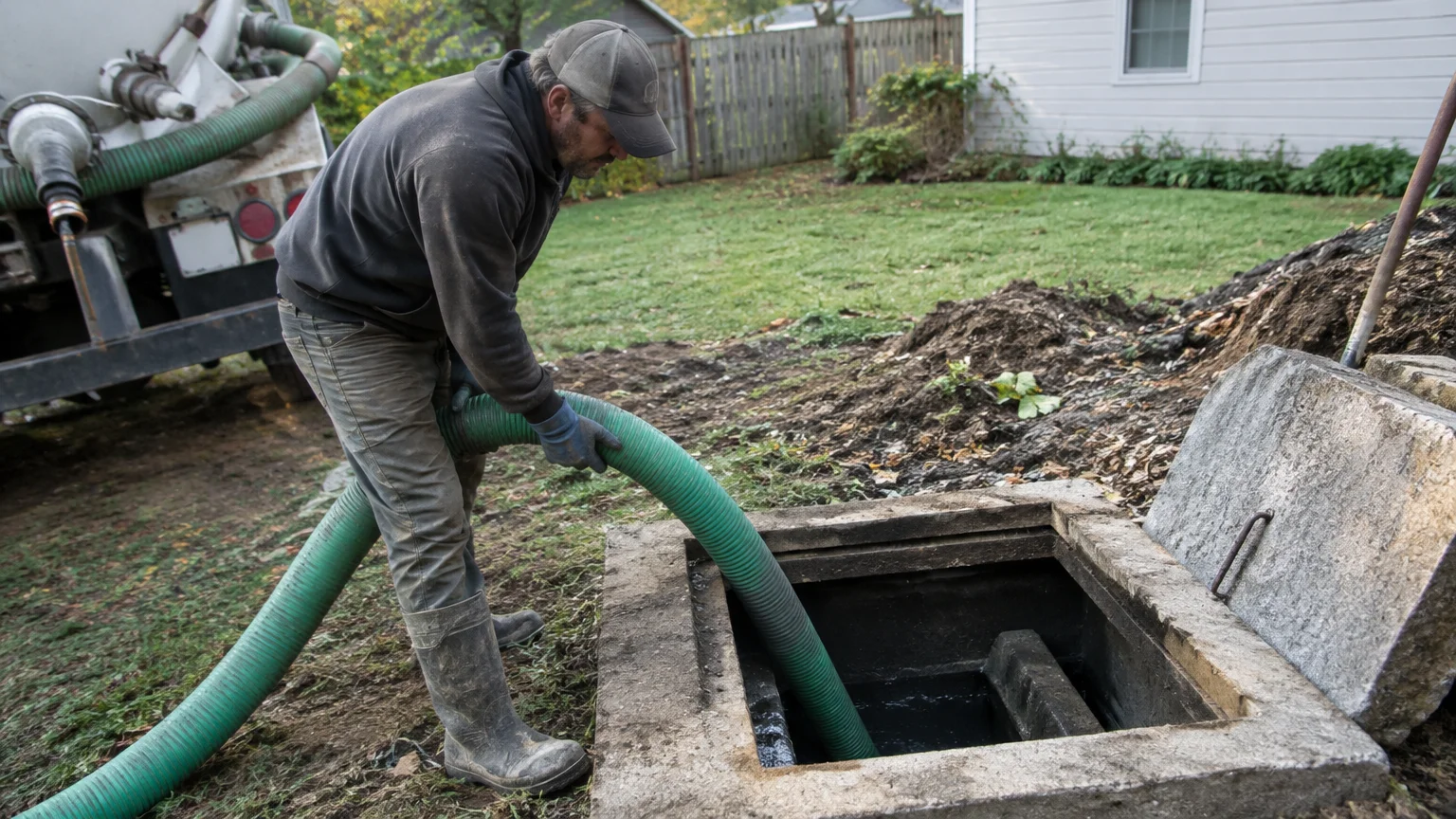
- What affects the cost of a 1000 gallon concrete septic tank?
- How does a 1000 gallon concrete tank compare with other tank sizes?
- Does concrete tank construction change the installation cost?
- How do access and property conditions affect the final quote?
- What should a septic tank installation quote include?
- When should homeowners request a septic tank installation quote?
- How can homeowners prepare for a septic tank installation appointment?
- Key takeaways
- Frequently Asked Questions
- Conclusion
What affects the cost of a 1000 gallon concrete septic tank?
The main cost factors include the tank design, delivery access, digging needs, soil, and local rules. Tank size matters, but it is only one part of the job. The provider must also check where the tank will go and whether extra site work is needed.
A 1000 gallon tank may fit some homes based on water use and system design. A larger home may send more wastewater into the tank. Laundry, guests, garbage disposals, and high water use can also affect the needed size. The tank should match the home’s use and approved system plan.
Tank size, system design, and household usage
A septic tank holds solids and liquid while they separate. Wastewater then moves toward the drainfield. The tank must fit the home’s wastewater load and work with the rest of the system.
Homeowners should not choose a tank by capacity alone. A provider may ask about residents, bathrooms, laundry, and future changes. These details help show whether a 1000 gallon septic tank fits the planned system.
Access, location, and site conditions
The tank location changes the work plan. A site near a good driveway may be easier to reach than one behind a fence or below landscaping. Wet ground, steep slopes, narrow gates, and soft soil may add work.
Septic Tank Pumping Douglasville helps property owners understand site details that may affect a quote. This review can help when records are missing or the tank location is not clear. It also gives owners a better way to compare a planned septic tank replacement with other needed work.
How does a 1000 gallon concrete tank compare with other tank sizes?
A 1000 gallon septic tank holds more than a 500 gallon septic tank and less than a 1500 gallon septic tank. More capacity does not always mean the tank is right for the property. Household use, soil, site space, and system design still matter.
A concrete septic system uses a strong, heavy material. The provider should still check the seams, lids, baffles, and pipe openings. A new tank may solve a tank problem, but it will not fix every drainfield or plumbing concern.
Capacity and installation requirements
A smaller tank has less holding space when a home uses a lot of water. A larger tank gives more room, but it may need a larger digging area and a different delivery plan. Capacity must be reviewed with the space available on the property.
Homeowners should keep installation records and ask the provider to write down the tank size. These records help future providers plan maintenance. They can also help buyers compare a 1000 gallon tank with a 1500 gallon septic tank during a property review.
Household size and wastewater volume
Household size affects how much water enters the system each day. Showers, toilets, washing machines, and kitchen use all add wastewater. A leaking toilet can send extra water into the tank and drainfield for a long time.
Property owners should also think about future changes. More residents, a rental unit, another bathroom, or frequent guests may change system use. Septic Tank Pumping Douglasville can explain how those changes may affect tank selection and maintenance needs.
Does concrete tank construction change the installation cost?
Concrete construction can change delivery and installation needs. It does not create one set cost for every property. The provider may inspect the tank walls, lids, access openings, baffles, and pipe connections.
A concrete tank is heavy. Moving and placing it may need special equipment and careful planning. The quote should separate the tank from digging, delivery, connections, and other work. A new tank alone may not correct a damaged line, weak drainfield, grading issue, or drainage problem.
Concrete tank features technicians inspect
A provider may inspect the inlet and outlet areas during the work. Baffles help guide flow and keep solids inside the tank. These parts must work well with the rest of the system.
The provider may also check lids and risers. A riser is a tube that brings the tank opening closer to the ground surface. Safe access makes future septic pumping and maintenance easier. Installation notes should explain any concerns in plain words.
How tank condition can affect the installation
A replacement job may include cracked lids, worn seals, shifted pipes, or damaged tank walls. Moving soil can press against tank parts. Roots, standing water, and past repairs may also change the digging and connection work.
Homeowners should ask for photos or clear notes when a problem is found. They should never enter a septic tank or lean over an open excavation. Septic tanks contain dangerous gases. Only trained workers with proper equipment should handle these areas.
How do access and property conditions affect the final quote?
Access can affect the final quote because delivery trucks and digging equipment need a safe path. Buildings, narrow gates, slopes, and soft ground may change the plan. A clear site review helps prevent confusion when work starts.
Some tanks sit close to the home. Others are below a yard or driveway. Property records, old inspection reports, and approved plans may show the system layout. Homeowners may look for visible features, but they should not dig before utility lines are known.
Excavation, risers, and difficult-to-reach sites
Tank installation needs an excavation that fits the tank and the ground. A riser can keep the access point near the surface. The provider should check that lids are strong, secure, and safe.
A tank under a deck, shed, driveway, or thick landscaping may need extra planning. The provider may suggest another layout or list site work on its own. The property owner should approve added work before it begins.
Driveway, soil, and seasonal access considerations
Heavy vehicles can harm soft ground, wet lawns, or weak driveways. Rain, snow, and flooding may make an area unsafe or hard to reach. The provider may use another route or wait for safer conditions.
Homeowners should clear gates and remove items near the work area. They should mention pets, low branches, irrigation lines, and known utility lines. These details help the provider plan a safer job in Douglasville.
What should a septic tank installation quote include?
A provider that offers septic tank pumping should give a separate quote for tank installation. The quote should describe the tank, access, digging, delivery, connections, and extra services. It should state what the provider will supply, install, connect, and document.
A clear quote helps owners compare plans without guessing. It should explain any condition that needs separate approval. Quotes may differ because providers use different equipment, tank designs, service areas, and work methods. The final cost should be confirmed in a quote before work begins.
Tank delivery, excavation, and placement
The quote should say whether it includes delivery, excavation, base preparation, placement, and connections. It should also explain how soil or an old tank will be handled under local rules. Restoring the yard may need its own plan.
The owner should ask if the provider expects hard soil, poor access, groundwater, or an old tank that needs attention. These issues may change the work plan. A trusted provider should explain the planned installation in simple terms first.
Inspection notes and additional services
The quote may include notes about lids, risers, baffles, tank walls, pipes, or surface drainage. It may also list locating, digging, access work, old-tank handling, or other services separately. This keeps the tank work apart from extra site work.
Homeowners should read the quote and ask about unclear terms. They should confirm the tank design, access plan, work scope, and follow-up needs. No provider can confirm the final cost without checking the system and site.
When should homeowners request a septic tank installation quote?
Homeowners should request a quote before an old or damaged tank causes an urgent problem. They should also plan ahead for new construction, a home purchase, an addition, or a major change in water use. Early planning gives the provider time to review records and site access.
A quote can help when the tank size or condition is unknown. It can also help after a property changes hands or when an older concrete system has not been checked. Septic Tank Pumping Douglasville serves the main Douglasville area, including Downtown Douglasville, Lithia Springs, Winston, Villa Rica, Hiram, and nearby communities.
Warning signs that replacement may be needed
Common warning signs include broken lids, visible cracks, sewage smells, wet ground, or wastewater backing up. These signs may point to a tank issue, blocked pipe, drainfield problem, or another concern. They should not be ignored.
- Tank lids or access parts look broken or unsafe.
- Sewage smells appear inside or near the tank area.
- Wet or very green soil appears near the system.
- Wastewater backs up into the home or a plumbing fixture.
- The tank’s age, condition, or installation history is unknown.
A warning sign does not prove that replacement is the only answer. A qualified provider should inspect the system and explain the likely cause. Emergency pumping may help with an urgent backup, but it may not solve a damaged tank or drainfield issue.
Planning before a property purchase or installation visit
Buyers should ask for installation records, inspection reports, tank size, and repair history. They should confirm where the tank and drainfield are located. A septic review may find problems that do not show during a normal home tour.
Owners should plan the visit when access is clear and the ground is stable. They should keep records after the work, including the date, tank size, visible condition, system layout, and suggested maintenance.
How can homeowners prepare for a septic tank installation appointment?
Homeowners can prepare by gathering records, clearing access, and writing down questions. They do not need to open the tank, dig, or make unsafe checks. Simple preparation helps the provider work safely and gives the owner better information.
The owner should keep children and pets away from the work area. They should also tell the provider about backups, smells, wet ground, or plumbing changes. Clear details help the provider review the system and site.
Information to gather about the system
Useful records include the tank size, installation date, inspection reports, approved plans, and repair receipts. The owner should note the number of residents and recent changes in water use. If the planned system uses a 1000 gallon concrete septic tank, that detail should be shared before the visit.
Homeowners can ask sellers, landlords, former owners, or local records offices about the system. They should not assume a visible cleanout marks the tank location. A provider can help confirm the layout safely.
Questions to ask before approving the work
Homeowners should ask what the quote includes and what conditions may require added work. They should ask how access, excavation, delivery, connections, and yard repair will be handled. They should also ask what happens if a damaged pipe or poor tank location is found.
A property owner does not need a professional for gathering records, clearing a path, or checking safe visible signs. Professional help is needed for tank handling, excavation, gas exposure, digging near utilities, connections, and repairs. Basic upkeep, such as avoiding harsh waste and fixing leaks, can often be done by the homeowner.
Key takeaways
- The 1000 gallon concrete septic tank cost depends on more than tank size.
- Access, soil, tank design, water use, and site work affect the quote.
- A 500 gallon septic tank and a 1500 gallon septic tank have different space needs.
- Homeowners should never enter a tank or approach an unsafe excavation.
- The final cost is confirmed after the provider reviews the system and property.
Frequently Asked Questions
How is the right septic tank size selected?
Tank size depends on household use, water flow, property design, local rules, and the planned system. A home with more residents or plumbing fixtures may need a different capacity. Homeowners should follow the approved plan and keep installation records. The right size should be confirmed after the property and wastewater needs are reviewed.
Is a concrete septic tank better than another tank type?
Concrete tanks are strong and heavy, but no tank material fits every property. Soil, installation quality, age, access, and maintenance all matter. A provider should review the tank, lids, baffles, and connections. The right choice depends on local rules, site conditions, and household needs.
How deep should a septic tank be?
Tank depth varies by design, soil, land shape, frost conditions, and local rules. Access lids should stay safe and reachable for maintenance. Homeowners should not dig blindly because utility lines may be nearby. Records or a qualified provider can help locate and confirm the tank safely.
How far does a septic tank need to be from a house?
Required setbacks vary by local and state rules, site layout, soil, and system design. The tank also needs safe access for future maintenance. A property owner should check approved plans or ask a qualified local provider. The distance from the house alone does not prove that the whole system is correctly placed.
Who installs septic tanks near me?
A qualified local septic provider can explain installation, inspection, pumping, and repair needs. Homeowners should check qualifications, service details, tank specifications, and written quote terms. Septic Tank Pumping Douglasville can help property owners understand the next step without judging the project by tank size alone.
Conclusion
The 1000 gallon concrete septic tank cost depends on the complete installation plan. Access, household use, tank design, excavation, soil, and local rules all matter. Good records and early planning can make the project easier to understand.
Septic Tank Pumping Douglasville helps property owners review tank needs and prepare useful questions. In Douglasville, homeowners can Contact us to request a septic tank installation quote and discuss the system before approving work.
If you are not sure what you are dealing with, it is worth having someone look at it before it turns into a bigger job. Get in touch with Septic Tank Pumping Douglasville today and we will tell you where you stand.