The answer to how often pump septic system maintenance is needed depends on tank size, household use, solids, and system design. Many homes need regular pumping, but no single schedule fits every property. A septic professional can review your records, check the tank, and help set a safe plan for your Douglasville home.
A septic system can work well for years when owners know its limits. Waiting for a backup is not a safe maintenance plan. Problems may grow below ground before you see a warning. The best plan uses service records, inspections, water habits, and advice for your property.
Table of Contents
- How often should you pump a septic system?
- What factors determine how often a septic tank needs pumping?
- Can homeowners tell when a septic system needs pumping?
- What septic tank maintenance can a homeowner handle?
- What septic system work should homeowners not attempt?
- How can you prepare for a septic tank pumping appointment?
- What happens during a septic tank pumping service?
- What can go wrong when septic pumping is delayed?
- What affects the cost of septic tank pumping and repairs?
- When should you call a septic tank pumping professional?
- Frequently Asked Questions
- Conclusion
How often should you pump a septic system?
Most homes need regular septic tank pumping based on tank size, water use, and the number of people living there. A busy home with a small tank may need service sooner. A lightly used home with a larger tank may go longer. Local rules, soil, weather, and system design also affect the right schedule.
A septic system treats wastewater from a home. The septic tank holds the wastewater and lets heavy solids settle at the bottom. These solids form sludge. Lighter waste floats on top and forms scum. Liquid between these layers moves to the drainfield for more treatment.
Pumping removes sludge and scum before they take up too much tank space. If the tank gets too full, solids may move toward the drainfield. This can clog the soil and harm system parts. Regular service is often easier than dealing with a backup or damaged drainfield.
Do not wait for a backup before planning service. A tank may be too full before you see a clear problem. Keep records of pumping, inspections, repairs, and changes in household use. These records help the next technician set a better plan.
How does household size affect pumping frequency?
More people usually send more water and waste into the tank. A small tank may fill with solids faster than a large tank. Daily laundry, long showers, and regular dishwasher use also add more strain. A weekend home may need a different plan than a home used every day.
Start with the tank’s past records when possible. If records are missing, a professional can check the tank and estimate its size and condition. The schedule may need to change when your household changes. New residents, a finished basement, a garbage disposal, or frequent guests can all affect the plan.
What factors determine how often a septic tank needs pumping?
Several things affect the pumping schedule. These include household size, tank capacity, water use, garbage disposal use, solid waste, system age, and system design. A large home may fill a tank faster than a small home. Still, tank condition and drainfield health matter too.
Water does not create sludge, but heavy water use moves waste through the tank faster. This gives solids less time to settle. Leaking toilets, dripping faucets, and broken water softeners can send a steady flow into the tank. Fix leaks and spread laundry across the week to reduce sudden water surges.
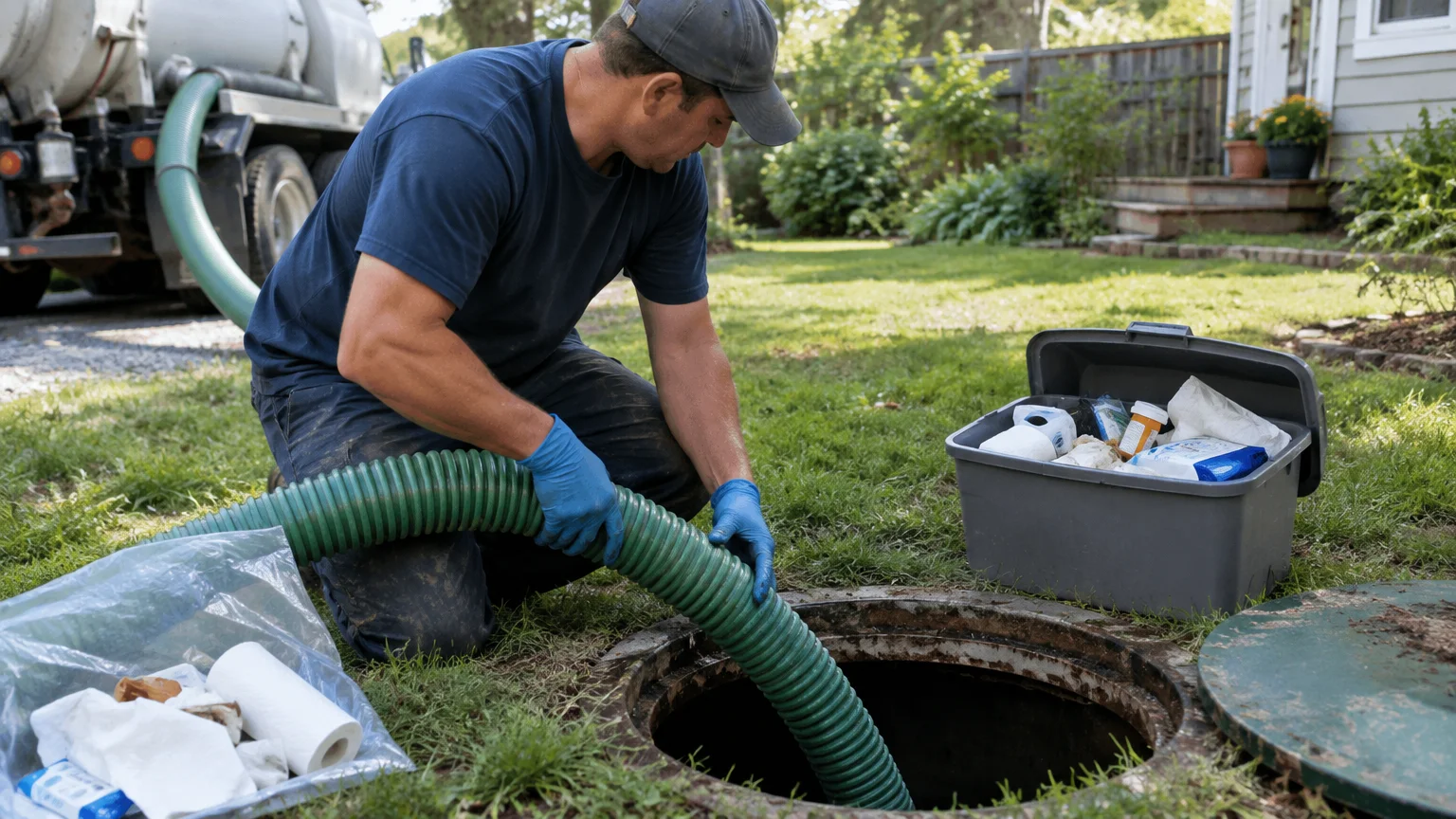
Garbage disposals add food waste and grease to the system. A home that uses one often may need closer checks. Keep wipes, paper towels, hygiene items, cooking grease, and medicines out of the septic system. Some items may say they are flushable, but they can still cause clogs or other trouble.
The age and condition of the system also matter. Older tanks may have worn baffles, broken covers, tree roots, or old parts. Pumps, filters, pressure systems, and small drainfields may need more than routine pumping. A trained professional can tell you which parts need watching.
Do soil and system design change the schedule?
Yes. Soil affects how the drainfield receives and treats liquid from the tank. Dense soil may drain slowly, especially after heavy rain. Older systems, pumps, filters, and small drainfields may need extra care. A pressure system may also need checks of its electrical and moving parts.
A septic tank is not the same as a cesspool. A septic tank holds and separates waste. A cesspool may let waste seep through its walls. Property records and local officials can help identify your system type. This matters because care rules and repair needs may differ.
A perc test, or percolation test, checks how fast soil takes in water. A soil professional or local office often guides this test. It may help with a new system, land purchase, or replacement plan. It does not show how full an existing tank is. Tank size, sludge level, system design, and service records still matter.
Can homeowners tell when a septic system needs pumping?
Homeowners can spot warning signs, but signs do not show how full a tank is. A tank may need service before odors, slow drains, or wet ground appear. Those signs may also come from a home plumbing issue. Records, inspections, and a known system layout give better answers than waiting for trouble.
Possible warning signs include:
- Drains that slow down in several rooms
- Sewage odors near the tank or drainfield
- Wet or very green grass over the drainfield
- Gurgling sounds from toilets or drains
- Sewage backing up into a sink, shower, or toilet
One slow drain may have a clog inside the home. Several slow drains may point to the building sewer, tank, pump, or drainfield. A professional can help tell the difference. You may need to limit water use while the cause is checked.
Keep children and pets away from wet ground, sewage, and open covers. Sewage can carry harmful germs. An open tank also creates a fall danger. Get help quickly if wastewater enters the home or may reach a well, stream, garden, or nearby property.
Why are odors and slow drains not enough?
Odors may come from a dry drain trap, vent problem, broken cover, blocked pipe, or drainfield issue. Slow drains may come from pipe buildup, a blocked sewer, a bad pump, or a full tank. These signs matter, but they do not show the level of sludge or scum in the tank.
A hidden problem may exist without odors or backups. Soil can absorb wastewater for a while even as solids move toward the drainfield. Use service records and planned inspections instead of assuming the system is fine. A technician can record the condition and explain what needs prompt attention.
What septic tank maintenance can a homeowner handle?
Homeowners can safely handle many simple checks and daily habits. You can track pumping dates, record repairs, watch for leaks, and keep heavy traffic off the tank area. You can also save water, keep solid waste out of drains, and watch the drainfield after heavy rain. Do not open the tank during these checks.
A simple maintenance record should include:
- The date of the last pumping and inspection
- The tank location and access point
- Filter cleaning or repair notes
- Changes in household size or water use
- Odors, wet soil, slow drains, or other signs
- The company or professional who did the work
- Notes about pumps, alarms, permits, or hard access
Water-saving habits help the system handle normal flow. Repair leaking fixtures and spread laundry across the week. Avoid running many water appliances at once. Keep grease, wipes, paper towels, medicine, and hygiene items out of drains. These habits help, but they do not replace pumping or inspections.
How should homeowners protect the drainfield?
Keep cars, sheds, pools, and deep-rooted plants away from the drainfield. Do not cover it with concrete, an addition, or a storage building. These surfaces can stop soil from taking in air and water. Grass is often a good cover because it helps control soil loss and usually has shallow roots.
Keep roof water, sump-pump water, and surface runoff away from the drainfield. Extra water can soak the soil and slow wastewater treatment. Do not dig, grade, plant trees, or add irrigation near the system without knowing its layout. Property plans or locating tools can help prevent damage.
What septic system work should homeowners not attempt?
Homeowners should not open, enter, pump, or repair a septic tank. Tanks may contain toxic gases and air with too little oxygen. A person can lose consciousness quickly inside a tank. Household tools and makeshift pumps cannot make tank entry safe.
Never enter a tank for any reason. Do not lean over an open tank or let children near it. Keep covers secure. If a cover is missing or broken, keep people and pets away and arrange professional help. Do not use a loose board as a cover.
Pumping, tank checks, filter service, outlet work, pipe repairs, electrical work, and drainfield diagnosis need proper training. Local rules may also require licensed or approved work. A professional can check whether the issue involves the tank, sewer, pump chamber, distribution box, soil, or drainfield.
DIY drain chemicals are not a safe septic repair. They may harm helpful bacteria, damage pipes, or hide a larger problem. Homeowners do not need a professional for record keeping, leak checks, careful water use, or drainfield care. They do need one for work involving wastewater, the tank, electrical parts, structural repairs, or uncertain system performance.
How can you prepare for a septic tank pumping appointment?
Gather property records and the last known pumping date before you schedule service. Note the number of residents, recent backups, drain problems, leaks, water-use changes, garbage disposal use, odors, and wet areas. This information helps the technician understand the system and plan the visit.
Try to locate the tank if you can do so safely. Property plans, closing papers, inspection reports, permits, and old service notes may help. The tank may be near the home, but its location varies. Do not dig deeply without knowing where underground utility lines are located.
How can access be made easier?
Move vehicles, toys, furniture, and loose soil away from the access area. Keep pets inside during the visit. Make sure the technician can reach gates, driveways, and other needed areas. Share details about narrow gates, steep slopes, soft ground, standing water, low branches, or retaining walls before the appointment.
A professional can help find a buried access point when records are missing. Underground utility lines and other features must be considered before digging. The service area can be confirmed with Septic Tank Pumping Douglasville before the visit. Good preparation helps the technician reach the tank and check visible parts safely.
What happens during a septic tank pumping service?
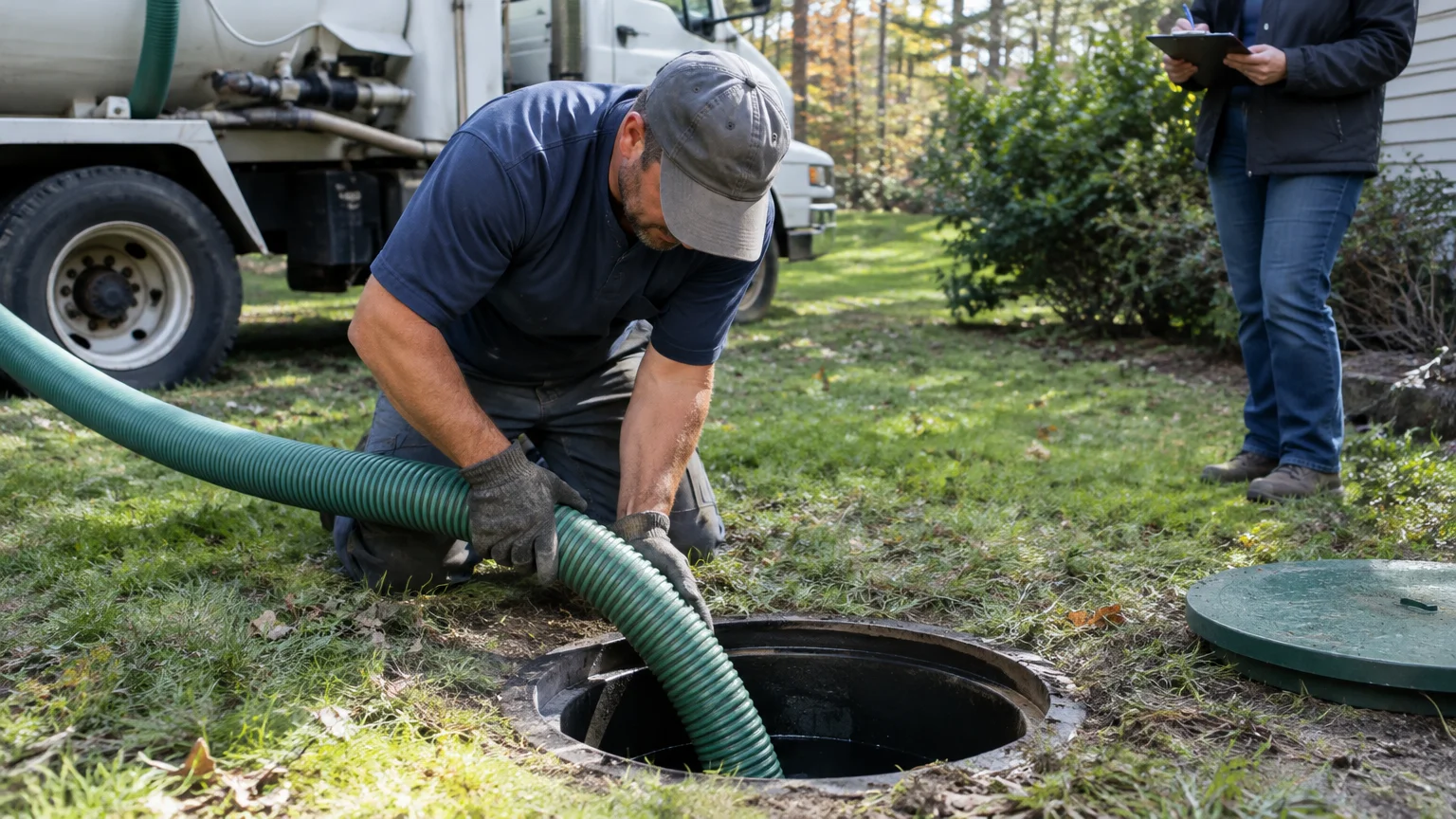
A septic pumping visit often includes finding access points, opening the tank, and removing liquid and settled solids. The technician may check the inlet, outlet, baffles, filter, cover, and signs of leaks. Depending on the system, they may also check pump controls, alarms, distribution parts, and the area around the tank.
The exact work depends on the tank and property. Some tanks have one access point, while others have several. A pump or filter may need extra care. A buried or hard-to-reach tank may need more locating work. Pumping removes waste, but it does not repair a broken baffle, clogged pipe, bad pump, wet drainfield, or unsafe cover.
Stay away from open access points and follow the technician’s safety directions. The tank should never be entered. Keep children and pets away from the work area. Ask what the technician found and whether the next step is inspection, cleaning, repair, monitoring, or another test.
What should homeowners ask after service?
Ask whether the tank was easy to access and whether the filter needed cleaning. Ask if the technician saw any damage or leaks. You can also ask where the tank location was confirmed and when the next pumping or inspection may be needed.
If the property has a pump, alarm, or unusual system, ask what normal operation should look and sound like. Keep the service record for future visits. It should list the date, work completed, visible conditions, and any concerns that still need attention. Septic Tank Pumping Douglasville can help Douglasville property owners keep these maintenance decisions clear.
What can go wrong when septic pumping is delayed?
When pumping is delayed, sludge can become too deep and reduce the tank’s working space. Solids may move toward the drainfield and clog soil pores. Scum may also block the outlet. This can lead to slow drains, backups, wet ground, odors, or damaged system parts.
A drainfield receives and treats liquid from the septic tank. If it is damaged, pumping alone may not solve the issue. Repairs may involve soil work, pipes, a distribution box, a pump, or septic tank replacement. The right repair depends on the cause, soil, system parts, local rules, and the condition of the drainfield.
A backup can affect bathrooms, kitchens, laundry areas, and yards. You may need to limit water use until the cause is found. If wastewater reaches the surface, keep people and pets away. Avoid contact and seek professional help quickly.
Why can delayed service disrupt a property?
Delayed care can create problems when owners sell, buy, rent, remodel, or change how they use a property. A system that worked for a small household may struggle after an addition or a change to full-time use. Construction traffic may also compact soil above the drainfield.
Landscaping and drainage work can affect wastewater treatment too. The cost of repairs depends on the damage, access, soil, design, permits, and local rules. Routine pumping is usually less disruptive than major repairs, but the final cost is confirmed on a quote after the property is reviewed.
What affects the cost of septic tank pumping and repairs?
The final service cost depends on tank size, access, location, waste volume, urgency, and any inspection or repair work. A hard-to-reach tank or damaged part may require more work than routine pumping. Locating tools, disposal needs, local rules, and travel conditions may also affect the service scope.
Compare the work involved instead of relying on one general figure. Routine pumping is usually simpler than a tank repair, drainfield repair, pump replacement, or septic tank replacement. A quote should explain the work before it starts. It should also list any access limits or other conditions that may affect the visit.
A clear plan should describe tank access, pumping, inspection points, disposal, and recommended repairs. Ask questions if the scope is unclear. The final cost is confirmed on a quote after the provider understands the property and requested service.
Douglasville property owners may also need to consider Georgia rules, permits, or service records. Septic Tank Pumping Douglasville can explain the next practical step without guessing about the system. Each business sets its own scope, so decisions should be based on the condition of the property and the work required.
When should you call a septic tank pumping professional?
Call promptly after a sewage backup, several slow drains, strong odors, wet drainfield soil, or a damaged tank cover. Professional help is also wise when the pumping history is unknown, an alarm sounds, the home changes owners, or the property is being expanded. These problems do not always mean the tank only needs pumping, so an evaluation can find the real cause.
Call sooner if children, pets, tenants, or customers may reach sewage or an open access point. Stop unnecessary water use while waiting for instructions. Do not use chemicals to hide the problem, open the tank, or drive over the drainfield. Mention any nearby well, stream, garden, or property that could be affected.
Build a long-term plan using tank size, household size, water habits, system age, and past records. After each visit, write down the recommended next date and the reason for it. Review the plan after adding residents, installing a garbage disposal, changing property use, doing construction, or seeing repeated plumbing signs.
Key takeaways
- Pumping schedules depend on tank size, household use, solids, and system design.
- Warning signs help, but they do not show the tank’s actual level.
- Homeowners can track records, fix leaks, save water, and protect the drainfield.
- Tank opening, entry, pumping, and repairs belong to trained professionals.
- The final work scope and cost should be confirmed on a written quote.
Frequently Asked Questions
How often does a septic tank usually need pumping?
The schedule depends on tank size, household size, water use, and solids. A busy home with a small tank may need service sooner than a lightly used home with a large tank. Garbage disposal use, leaking fixtures, system age, soil, drainfield design, and past care can also change the plan.
There is no single schedule for every property. Service records and inspections help set a better plan. If records are missing, a technician can review the tank, access, visible parts, and household use. Write down the date and findings after each visit.
How do you know when a septic tank needs pumping?
Slow drains, sewage odors, gurgling, wet ground, very green grass, and backups can signal trouble. Still, a tank may need pumping before these signs appear. The same signs may come from a blocked drain, building sewer, vent, pump, or drainfield.
Use records and planned service instead of waiting for an emergency. If several fixtures are affected, sewage reaches the surface, or service history is unknown, contact a qualified professional. Keep people and pets away from sewage and exposed covers.
How deep should a septic tank be?
Tank depth varies by property, soil, installation, and local design. An access cover may be near the surface or deeper underground. Some tanks have more than one access point. A tank may also be away from the home.
Property records, a septic plan, or locating equipment can help find the tank. Check for underground utility lines before digging. Never open or enter the tank after finding it. A professional can safely access the right point and check the cover, baffles, and nearby soil.
How far should a septic tank be from a house?
The required distance depends on local rules, property layout, soil, and system design. Setbacks may also apply to wells, buildings, property lines, driveways, and water bodies. Older systems and unusual lots may have different approved layouts.
Do not install or move a tank based on a general guess. A new location can affect pipe slope, access, soil treatment, permits, and groundwater separation. A local office or qualified septic professional can confirm the proper location before construction or remodeling.
Who performs a perc test?
A qualified soil professional, engineer, or approved site evaluator may perform or oversee a perc test. The local health department or permit office can explain who is allowed to do this work. Rules may differ for a new system, replacement, land purchase, or change in property use.
The test checks how soil takes in wastewater. It does not measure sludge in an existing tank or prove that a current drainfield will always work. Groundwater, slope, seasonal moisture, system design, and expected water use may also matter. Keep the test report with your property records.
Conclusion
A septic system works best when pumping is planned before trouble starts. Tank size, household use, water habits, system age, soil, and system design all affect the schedule. Backups and wet ground need quick attention. However, a lack of warning signs does not prove that the tank is ready for continued use.
Homeowners can help through safe daily care, leak repairs, careful water use, record keeping, and drainfield protection. You do not need a professional for these simple checks and habits. You do need one for pumping, tank opening, filter work, electrical repairs, diagnosis, and drainfield work.
For help planning service and nearby areas, contact Septic Tank Pumping Douglasville. Contact us to discuss your septic pumping needs and arrange the next step.