The signs septic tank needs pumping often include slow drains, gurgling toilets, sewage smells, and wastewater backups. A full tank can affect many fixtures at once. Quick action may help protect the drainfield and limit damage. Some signs can also come from indoor plumbing, so careful checking is important.
Table of Contents
- What are the most common signs a septic tank needs pumping?
- What does sewage backing up into the house mean?
- Why are drains and toilets slowing down across the property?
- What do foul odors and unusually green grass indicate?
- Can a septic tank need pumping without obvious warning signs?
- What should you do when you notice signs of septic trouble?
- When is a septic tank problem an urgent health or safety concern?
- Frequently Asked Questions
What are the most common signs a septic tank needs pumping?
The most common warning signs are slow drains, bubbling or gurgling toilets, sewage odors, and wastewater that moves slowly through the home. These signs may mean the tank has little room left for new wastewater. They may also point to a clog, broken pipe, or drainfield problem.
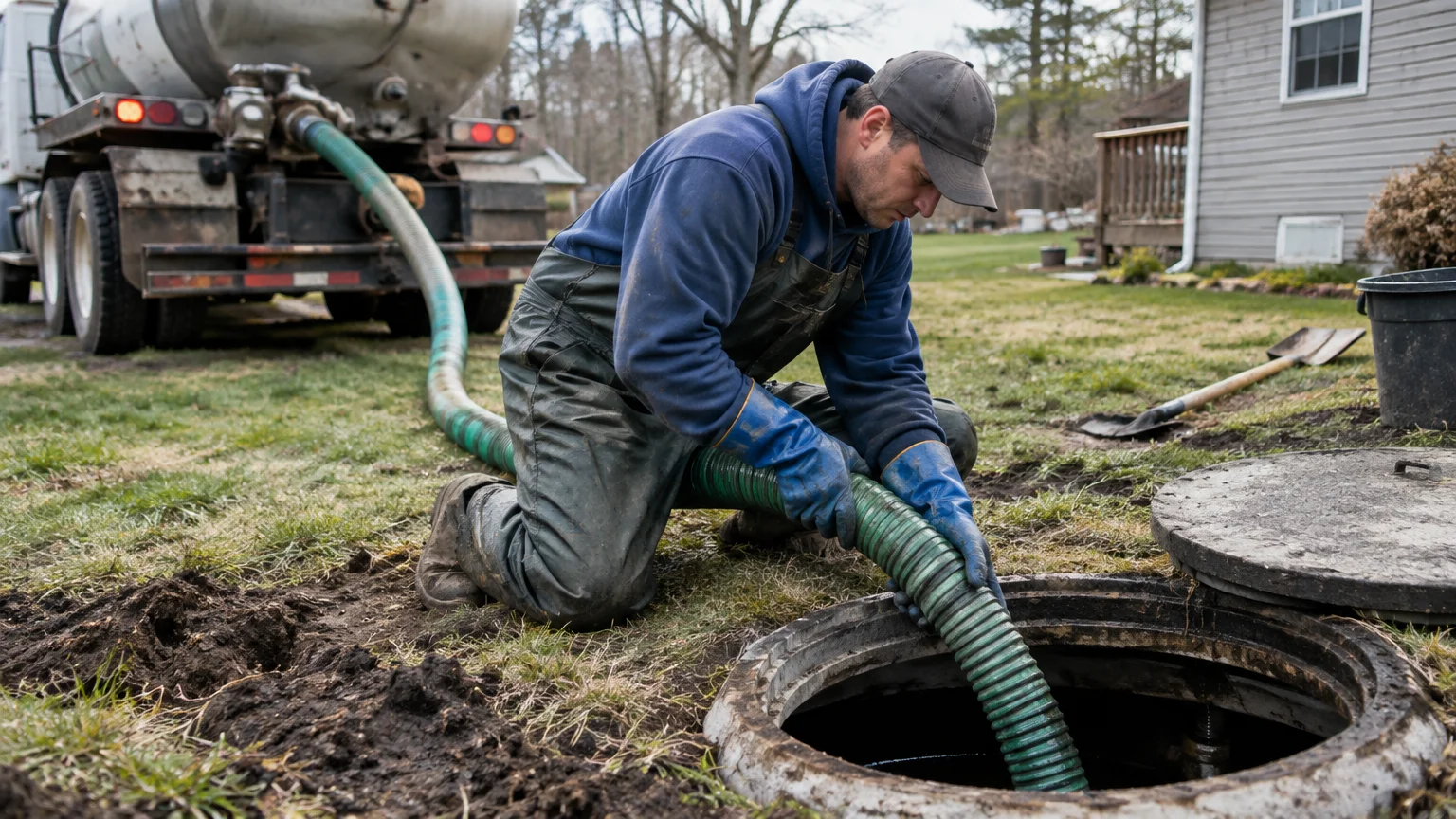
A septic tank stores wastewater from toilets, sinks, showers, laundry, and appliances. Heavy solids settle at the bottom as sludge. Lighter waste forms a top layer called scum. Septic pumping removes these layers before they take up too much room.
A homeowner may first see one toilet flush slowly. A shower may also drain more slowly than before. When several fixtures change at the same time, the problem is more likely to involve the septic system than one sink trap.
Common signs include:
- Several drains become slow at the same time.
- Toilets gurgle after flushing or running the washing machine.
- Sewage odors come from inside or near the tank.
- Wastewater collects near the tank or drainfield.
- Grass over the drainfield grows faster or looks darker.
- Toilets or floor drains overflow with dirty water.
One symptom may have more than one cause. A slow kitchen sink may have grease in its trap. One blocked toilet may have a local clog. A septic tank that needs pumping often affects more than one area, especially after heavy water use.
A professional can check the tank, inlet, outlet, and drainfield. Septic Tank Pumping Douglasville helps Douglasville property owners learn if the problem needs pumping, line work, or a larger repair. Finding the cause early can help protect the rest of the system.
Why one symptom may have more than one cause
Plumbing symptoms do not always show the exact problem. A sewer smell may come from a dry drain trap, loose toilet seal, blocked vent, or septic tank issue. The smell’s location can provide a useful clue.
A homeowner can safely check which fixtures have trouble. They can also note when the problem began and whether heavy water use came first. They should not open the tank or try to enter it.
What does sewage backing up into the house mean?
Sewage backing up into the house means wastewater cannot move away as it should. A full septic tank, blocked pipe, failed pump, or clogged drainfield may stop normal flow. Sewage can carry harmful germs, so people should avoid contact and keep children and pets away.
A backup may appear in a toilet, bathtub, shower, floor drain, or laundry area. If several low fixtures back up together, the blockage may be farther down the plumbing line. If the backup follows repeated water use, a full tank or drainfield problem is more likely.
An indoor plumbing issue often affects one fixture. For example, a blocked toilet may overflow while nearby sinks and showers work well. A blocked branch line may affect one bathroom but leave the rest of the home working normally.
A septic problem often affects a wider area. Toilets, showers, sinks, and laundry drains may slow together. Outdoor signs may also appear, such as odors, wet soil, or wastewater near the tank or drainfield.
How to distinguish a septic problem from an indoor plumbing issue
Homeowners can make a few safe observations without opening the tank. They can list the fixtures affected and note whether the issue began after heavy water use. They can also check for outdoor smells, wet ground, or standing wastewater.
Useful clues include:
- One fixture affected: a local clog is more likely.
- Several fixtures affected: a main line or septic issue is more likely.
- Indoor backup and outdoor odor: the septic system needs prompt review.
- Backup after laundry or bathing: the tank or drainfield may lack room.
- One slow drain without outdoor signs: an indoor fault may be likely.
If sewage enters the home, stop using water until the cause is known. Cleaning dirty areas may require gloves, protective clothing, and proper sanitation. A septic worker or qualified plumber can find where the trouble starts.
Why are drains and toilets slowing down across the property?
Drains and toilets slow across a property when wastewater meets resistance in a shared line or septic system. Common causes include a full tank, a blocked pipe between the home and tank, or a drainfield that cannot take more water. The pattern helps show which cause is most likely.
A full tank is common when the system has not had maintenance for a long time. As sludge and scum fill the tank, less open space remains. Wastewater from the home may slow, and solids may move toward the outlet or drainfield.
A blocked line is another possible cause. Roots, broken pipe sections, grease, wipes, and other items can limit flow. A line problem may begin quickly, while a full tank often causes signs over time. Both problems need a proper check.
A damaged drainfield is a more serious possibility. The drainfield receives liquid effluent from the tank. Effluent means the liquid that leaves the tank. Soil filters this liquid and takes it into the ground. Flooded, packed, clogged, or damaged soil may not accept the flow.
Likely causes, from common to more complex, include:
- A septic tank with too much sludge or scum.
- A blocked or damaged pipe between the home and tank.
- A failed pump or alarm in a pressure system.
- A clogged, flooded, or damaged drainfield.
- A system that is too small for current household use.
- Tank damage or another major system failure.
What changes in multiple fixtures can reveal
Several slow fixtures suggest a shared problem instead of one sink clog. A homeowner should note the time, recent water use, weather, and fixtures affected. These details can help Septic Tank Pumping Douglasville assess the problem more quickly.
The answer may involve septic pumping, clearing a line, repairing a pump, or checking the drainfield. Pumping alone cannot fix every failure. If the tank is damaged or the soil no longer accepts wastewater, a larger repair or septic tank replacement plan may be needed.
What do foul odors and unusually green grass indicate?
Foul odors and unusually green grass can mean wastewater is escaping where it should not. Smells near the tank, cleanout, or drainfield may point to a full tank, poor venting, broken pipe, or surface wastewater. Bright grass may grow where extra moisture and nutrients reach the soil.
A healthy septic system should not create a strong sewage smell in the yard. A short odor during service may happen, but a lasting smell needs attention. Indoor odors may also come from dry traps or blocked vents, so the smell’s location matters.
Wet soil is another important clue. Standing water near a tank or drainfield may show that the soil cannot take more liquid. It may also signal a broken pipe, leaking tank, or wastewater rising to the surface.
Unusually green grass does not prove that a septic system has failed. Rain, fertilizer, shade, and normal soil changes can affect grass. The sign is more concerning when it appears with odors, soggy ground, slow drains, or a backup.
Homeowners should watch for:
- Strong sewage smells near the tank or drainfield.
- Grass much greener than nearby areas.
- Wet ground during dry weather.
- Puddles that return after drying.
- Mushy soil over buried system parts.
- Sewage or gray water on the ground.
Stay away from wet areas that may contain wastewater. Do not drive, park, or build over the drainfield. Heavy weight can pack the soil and reduce its ability to take treated liquid.
A professional inspection can separate normal yard changes from septic trouble. Septic Tank Pumping Douglasville serves property owners and can help identify whether the next step is pumping, repair, or drainfield testing.
Can a septic tank need pumping without obvious warning signs?
Yes, a septic tank can need pumping before clear symptoms appear. Solids build up over time, and early changes may stay hidden. Household size, water use, tank size, waste habits, and the last service date all affect the system’s workload.
A small tank serving many people may fill faster than a larger tank serving fewer people. Frequent laundry, long showers, leaking toilets, and high water use also send more wastewater into the system. Guests, renters, or family changes can add to that load.
Records help because memory may not show when the tank was last pumped. Look for service receipts, inspection reports, sale papers, or notes from a former owner. A missing record does not prove the tank is full, but it makes a check more useful.
Why maintenance records and a professional inspection matter
A service professional can locate the tank, check access points, measure the contents, and look for damage. The visit may also include the inlet, outlet, baffles, pump, alarm, and visible drainfield. This helps show whether pumping is enough or another issue exists.
A septic tank is not the same as a cesspool. A septic tank holds and separates wastewater. A cesspool is an older underground pit that receives waste directly. Property owners should follow local rules and use official records to learn how their system works.
Routine maintenance does not replace quick action when warning signs appear. Homeowners can reduce strain by fixing leaks, spreading laundry across the week, and keeping harsh chemicals out of drains. These habits help, but they do not remove sludge from the tank.
A professional should review the system when records are missing, the home changes owners, water use rises, or warning signs appear. Regular care may find trouble before wastewater reaches the home or yard.
What should you do when you notice signs of septic trouble?
When signs of septic trouble appear, first reduce water use. Stop laundry, long showers, dishwashing, and other heavy water use. Keep people and pets away from sewage or standing wastewater.
Do not open or enter the tank. Septic tanks may contain toxic gases and unsafe conditions. Do not add chemical cleaners, septic additives, or drain products as a quick fix. These products may harm the system or hide the real cause.
Safe steps include:
- Stop or greatly reduce water use throughout the property.
- Keep children, pets, and visitors away from wet areas.
- Avoid flushing toilets until the cause is checked.
- Write down which fixtures are slow or backing up.
- Check records and note the last known pumping date.
- Arrange a professional inspection or septic service visit.
Before service, gather the tank location, system records, recent symptoms, recent rain, and any yard work. Note whether the home has a pump, alarm, basement plumbing, or recent building work. This information can help the technician prepare.
What information to gather before arranging service
Give a clear description of the problem. Explain whether one fixture or the whole property is affected. Also mention sewage odors, wet grass, standing water, alarms, strange sounds, or recent changes in water use.
Septic Tank Pumping Douglasville can help property owners understand which details matter before service. The goal is not to guess at the repair. The goal is to protect the home, limit contact, and find the source quickly.
If a backup has happened, follow local guidance for cleanup. Dirty materials may need special handling. Anyone with health concerns after contact with sewage should ask a medical professional for advice.
When is a septic tank problem an urgent health or safety concern?
A septic problem is urgent when sewage enters the home, reaches the ground, threatens a water source, or creates a contact risk. Strong odors need attention, but visible sewage, a large backup, or a failed pump alarm needs prompt help.
Act quickly when wastewater appears near a well, ditch, stream, play area, or public path. Keep away from the area and stop children and pets from entering it. Surface wastewater may carry germs through contact, mud, or tracked material.
A basement backup can create extra danger. Water may reach outlets, appliances, or heating equipment. Do not enter standing water when electrical hazards may exist. Seek qualified help and follow safety guidance.
Urgent service may also be needed after a sudden change. A loud pump alarm, damaged tank lid, exposed access point, sinkhole, or collapsed soil can signal danger. Never stand on a tank lid or try to move it.
Key takeaways
- Several slow fixtures can point to a shared septic or main-line issue.
- Backups, odors, wet soil, and bright grass can signal trouble.
- A tank may need pumping before clear warning signs appear.
- Reducing water use is a safe first step while help is arranged.
- Stay away from sewage, open tanks, and damaged system areas.
Conclusion
The signs septic tank needs pumping may seem mild at first, but they should not be ignored. Slow drains, gurgling toilets, odors, green grass, and backups may point to a full tank or a larger failure. A timely inspection can separate a pumping need from a blocked line, failed pump, or damaged drainfield.
Contact us to arrange help from Septic Tank Pumping Douglasville for septic concerns around Douglasville, including Downtown Douglasville, Lithia Springs, Winston, Villa Rica, Hiram, and nearby communities.